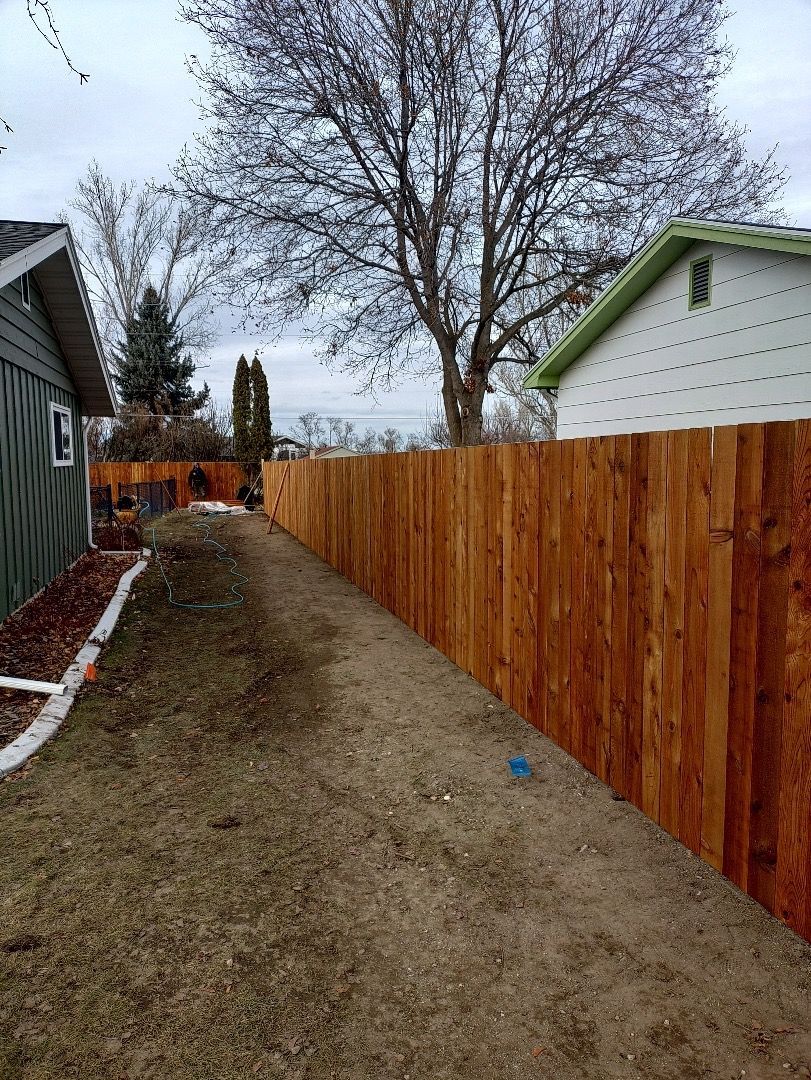
How Much Does It Cost to Install a Fence in the Bitterroot Valley?
Table of Contents
- Why Fence Installation Costs Vary Across the Bitterroot Valley
- Key Factors That Affect Fence Installation Cost
- A Decision Framework for Budgeting a Fence Project
- Common Misunderstandings About Fence Installation Cost
- What Typical Online Cost Guides Overlook
- A Realistic Scenario: Two Different Fencing Budgets in Hamilton
- Risks, Limitations, and Trade-offs to Consider
- Conclusion
- Frequently Asked Questions
Key Takeaways
- Fence installation cost in the Bitterroot Valley depends mainly on material, total length, height, and site conditions, not just a flat per-foot rate.
- Chain link is generally the least expensive material, while wood, vinyl, and metal fencing sit at varying mid to higher price points depending on style.
- Gates, corners, and slope changes add labor and material beyond the straight-run footage most online calculators assume.
- Frost depth requirements for posts affect both cost and long-term stability, regardless of which fencing material is chosen.
- Getting an itemized estimate helps homeowners understand what is and is not included before comparing bids.
Introduction
The cost to install a fence in the Bitterroot Valley generally depends on material choice, total fence length, height, terrain, and labor, with most residential projects ranging from a few thousand dollars for a basic chain link fence to well over $15,000 for a longer run of custom wood or vinyl fencing with multiple gates. There is no single flat rate that applies to every property, because a fence built on flat, easy-to-access ground costs less than one that crosses slopes, rocky soil, or requires extensive gate work.
This matters to homeowners and business owners because a fence is a significant investment that affects privacy, security, and property boundaries for years. Understanding what drives the price before requesting quotes helps property owners compare estimates more accurately and avoid surprises once a project is underway. This guide breaks down the cost factors specific to fence installation in Hamilton and the surrounding Bitterroot Valley.
Why Fence Installation Costs Vary Across the Bitterroot Valley
Direct answer: Fence installation costs vary across the Bitterroot Valley mainly because of differences in property terrain, soil conditions, and how far a site sits from suppliers, in addition to the material and design choices a homeowner makes.
Rural properties on the outskirts of Hamilton, Corvallis, Victor, Darby, and Stevensville often have larger perimeters than in-town lots, which increases total material and labor cost even at the same per-foot rate. Sloped or rocky terrain, common throughout the valley, can also require additional grading or specialized post-setting techniques that add time to a project.
Distance from suppliers can affect material delivery costs and availability, particularly for specialty fencing products that are not commonly stocked locally. These regional factors are part of why a national average cost figure rarely reflects what a specific property in this area will actually cost.
Key Factors That Affect Fence Installation Cost
Several variables combine to determine the final price of a fence project. Each one interacts with the others, so a change in one area often shifts the total in ways that are not always obvious from a simple per-foot estimate.
Fence Length and Perimeter
Total linear footage is usually the starting point for any fence estimate. A longer perimeter requires more posts, more panels or rails, and more labor hours, so cost tends to scale with length even before other factors are considered.
Irregular property lines, corners, and grade changes along the perimeter add complexity beyond what a straight-line footage number suggests.
Material Choice
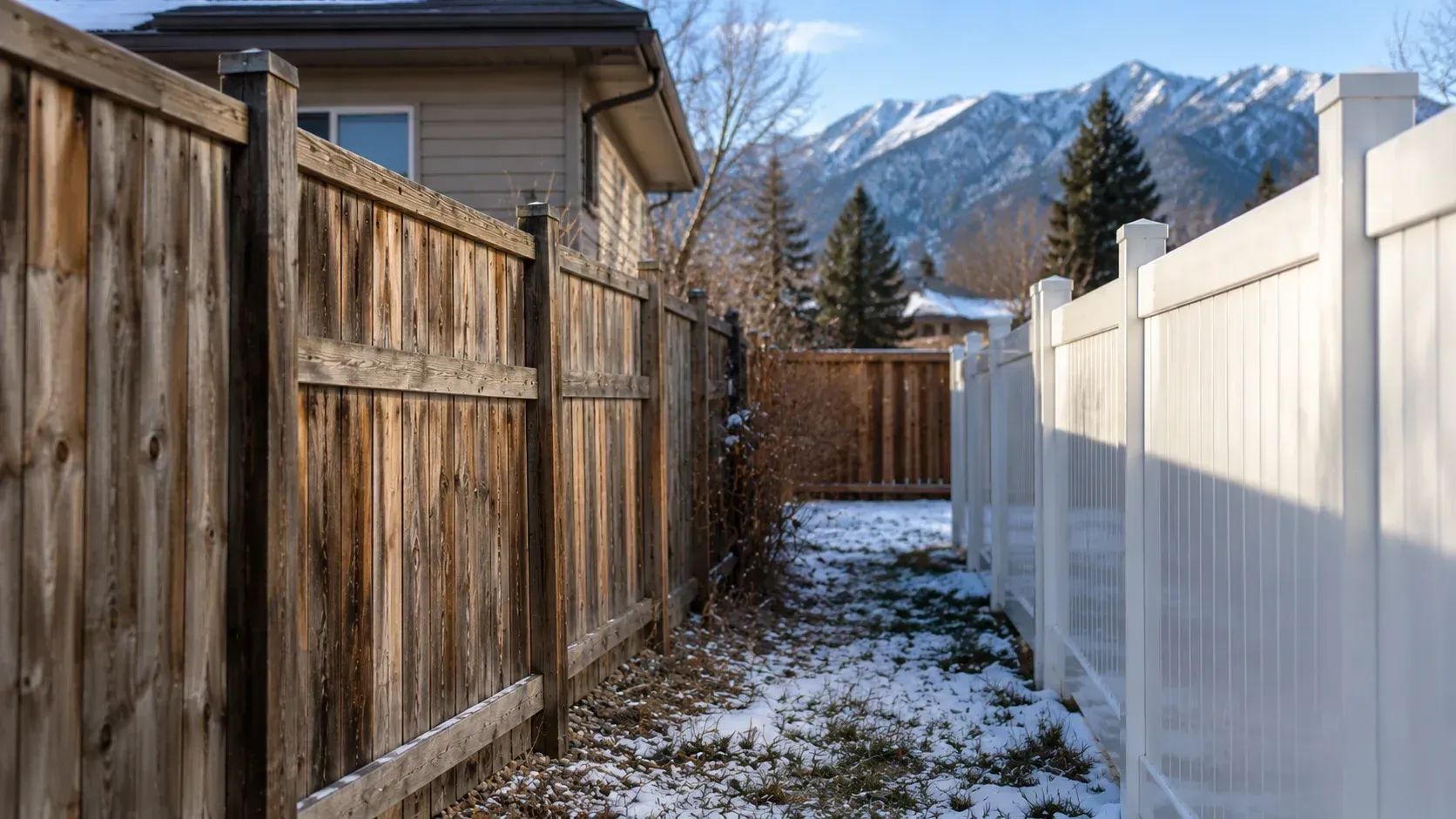
Chain link is generally the least expensive fencing material and requires relatively simple installation. Wood fencing costs more than chain link and varies based on the type of wood and style chosen. Vinyl and composite fencing typically cost more upfront than wood but require less ongoing maintenance. Metal fencing, including aluminum and wrought iron styles, tends to sit at the higher end of the cost range depending on design detail.
Height and Style
Taller fences require more material per linear foot and often need deeper post footings for structural stability. A privacy-style fence with solid panels generally costs more than an open-style fence like a basic rail or picket design, since it uses more material to cover the same length.
Gates and Access Points
Gates add cost beyond the standard per-foot rate because they require additional hardware, framing, and often more precise installation to ensure proper alignment and function. A single walk gate typically adds less cost than a wider double-drive gate designed for vehicle access.
Labor and Site Conditions
Labor cost depends on local rates, project complexity, and how difficult the site is to work with. Removing an existing fence, clearing brush, or working around obstacles like trees, slopes, or existing structures all add time that affects the final labor cost.
Permits and Local Requirements
Depending on fence height, location relative to property lines, and local zoning rules, some fence projects require a permit before construction begins. Permit fees and any required inspections add a cost that is separate from materials and labor, and requirements can vary depending on the specific jurisdiction within Ravalli County.
A Decision Framework for Budgeting a Fence Project
Rather than searching for a single average cost figure, it helps to work through a short sequence of questions before requesting quotes.
- Identify the primary purpose. Privacy, security, containing pets, or marking a boundary line each suggest different height and material priorities.
- Measure the actual perimeter. A rough walk-around estimate is not as reliable as an actual measurement, since irregular lot lines are common in rural parts of the valley.
- Compare material options against maintenance tolerance. Lower-cost materials like chain link or basic wood often require more upkeep or replacement sooner than higher-cost vinyl or composite options.
- Account for gates and access needs separately. Decide how many gates are needed and what they need to accommodate, since this affects cost independently of the fence line itself.
- Ask about site-specific conditions. Slope, soil type, and any need to remove an existing fence should be discussed directly with a contractor rather than assumed from an online average.
- Confirm permit requirements before finalizing a budget. This avoids a mid-project surprise if a permit turns out to be required for the planned height or location.
This sequence does not produce an exact number on its own, but it prepares a homeowner to ask more precise questions when comparing quotes from different contractors.
Common Misunderstandings About Fence Installation Cost
Common belief: A fence quote can be estimated accurately using a flat per-foot price found online. What is actually true: Per-foot averages found online typically reflect national data and do not account for regional labor rates, terrain, or material availability in a specific area. Why it matters: Relying on a generic per-foot figure can lead to a budget that is significantly off from what an actual site-specific quote reflects.
Common belief: Chain link is always the cheapest option regardless of the situation. What is actually true: Chain link is generally lower cost for material, but a long chain link run across difficult terrain can still cost more in labor than a shorter, simpler wood fence on flat ground. Why it matters: Site conditions can shift the total cost comparison between materials in ways that material price alone does not predict.
Common belief: Removing an old fence is included in every new installation quote. What is actually true: Removal and disposal of an existing fence is sometimes billed separately, and homeowners should confirm this directly rather than assume it is bundled into the price. Why it matters: This is one of the more common sources of unexpected cost when a homeowner compares quotes that are not itemized the same way.
What Typical Online Cost Guides Overlook
Most national cost guides are written to cover a wide range of climates and regions, which means some regionally relevant factors get left out.
Post depth below frost line. In this part of Montana, posts need to be set deep enough to stay below the frost line, or seasonal ground movement can shift them over time. This depth requirement affects labor and material cost more than most general guides account for.
Terrain-driven labor variation. A guide written for flat suburban lots does not reflect the added labor time needed on the sloped or rocky terrain common throughout the Bitterroot Valley.
Rural perimeter size. Properties outside town centers often have significantly longer perimeters than urban lots, which changes the total cost picture even when the per-foot rate is similar.
Seasonal scheduling. Ground conditions and contractor availability can shift depending on the time of year, which affects both project timelines and, in some cases, pricing that generic guides do not typically mention.
A Realistic Scenario: Two Different Fencing Budgets in Hamilton
The following scenario is hypothetical and intended to illustrate how these cost factors interact in practice.
A homeowner with a smaller in-town lot who wants a basic chain link fence for containing a dog might see a relatively modest total cost, since the perimeter is short, the terrain is flat, and the material is on the lower end of the price range. A single walk gate adds a modest amount to the total.
A property owner on a larger rural parcel who wants a privacy-style wood fence along a long, sloped perimeter, with a double-drive gate for vehicle access, will likely see a considerably higher total cost. This is driven by the combination of greater length, taller privacy-style material, terrain-related labor, and the added gate.
Both projects are reasonable fence installations. The final cost simply reflects a very different combination of length, material, terrain, and access requirements.
Risks, Limitations, and Trade-offs to Consider
Fence cost estimates carry some inherent uncertainty until a site visit and measurement take place. This can depend on details that are not always visible from a quick property walk-through, such as underground utility lines that require locating before post holes are dug.
A common limitation with lower-cost materials is a shorter expected lifespan, which can mean a lower upfront cost trades against a higher likelihood of replacement or repair sooner. This is not a flaw in the material itself, but a tradeoff worth weighing against long-term budget planning.
In some situations, phasing a fence project, such as completing a smaller priority section first and extending it later, can help spread cost over time, though this approach may result in a higher total cost than doing the full project at once due to repeated mobilization and setup.
Conclusion
Fence installation cost in the Bitterroot Valley depends on a combination of material, length, height, gates, labor, and site conditions rather than a single flat rate. Chain link tends to sit at the lower end of material cost, while wood, vinyl, composite, and metal options vary based on style and features. Terrain, frost depth requirements, and rural perimeter size all play a meaningful role in this region specifically, which is why generic national cost averages do not always translate directly to a Hamilton-area property.
Homeowners who measure their actual perimeter, clarify material and gate needs, and ask about site-specific conditions are better positioned to compare quotes accurately and plan a realistic budget for their fencing options.
Planning a Fence Installation in Hamilton, MT?
If you are working through fencing options and want a clearer sense of what a project might involve for your specific property, a straightforward conversation can help. This is not a sales pitch or a guaranteed price, just an opportunity to ask questions and get direct answers based on your site and goals.
Property owners in Hamilton and the surrounding service area who want to talk through their fencing project can contact our team to schedule a time to discuss it without pressure or obligation.
Frequently Asked Questions
What is the average cost to install a fence in the Bitterroot Valley?
Costs vary widely based on material, length, and terrain, with many residential projects ranging from a few thousand dollars for shorter chain link runs to considerably more for longer privacy fencing with gates.
Is chain link always the cheapest fencing option?
Chain link generally has a lower material cost, but difficult terrain or a longer perimeter can raise the labor cost enough to narrow the gap with other materials.
Do I need a permit to install a fence in Hamilton, MT?
Permit requirements depend on fence height, location, and local zoning rules. Checking with local building authorities or a knowledgeable contractor before starting is the most reliable way to confirm.
Is removing an old fence included in a new installation estimate?
Not always. Removal and disposal of an existing fence is sometimes billed as a separate line item, so it is worth confirming this directly when comparing quotes.
Why does post depth matter for fence cost in this area?
Posts need to be set below the frost line to stay stable through freeze and thaw cycles. This depth requirement affects labor and material cost more than a generic online estimate typically accounts for.