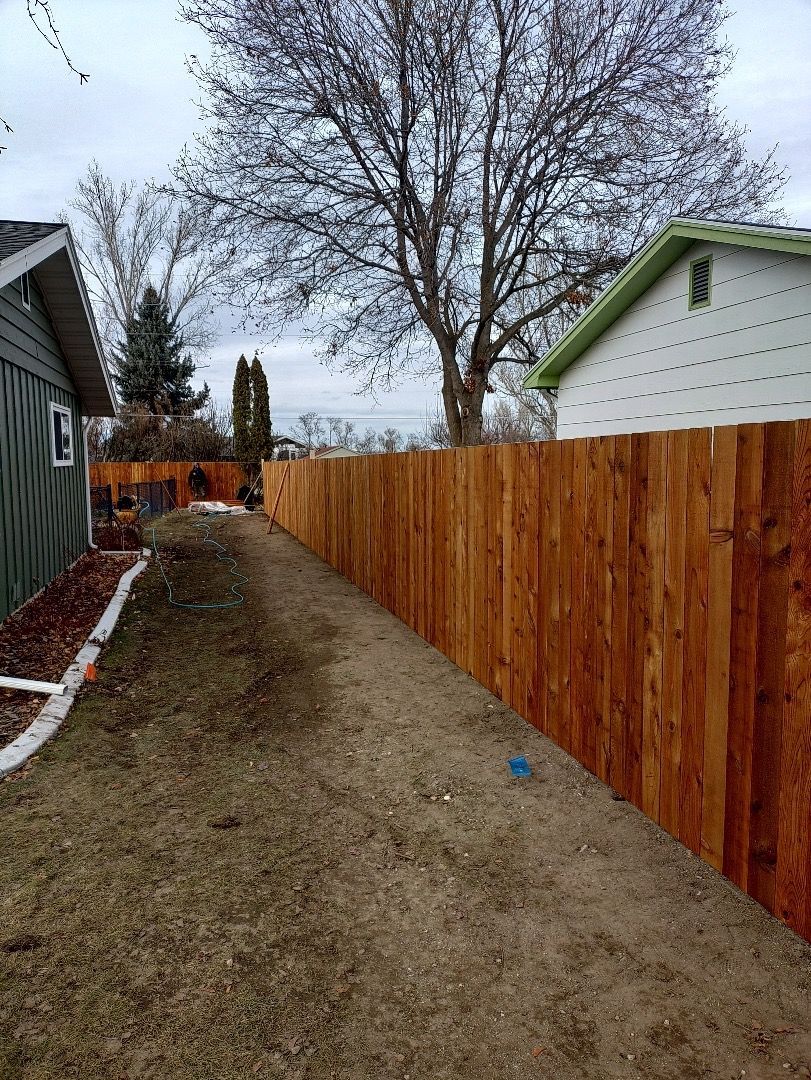
What Type of Fence Holds Up Best to Montana Winters in Stevensville, Montana?
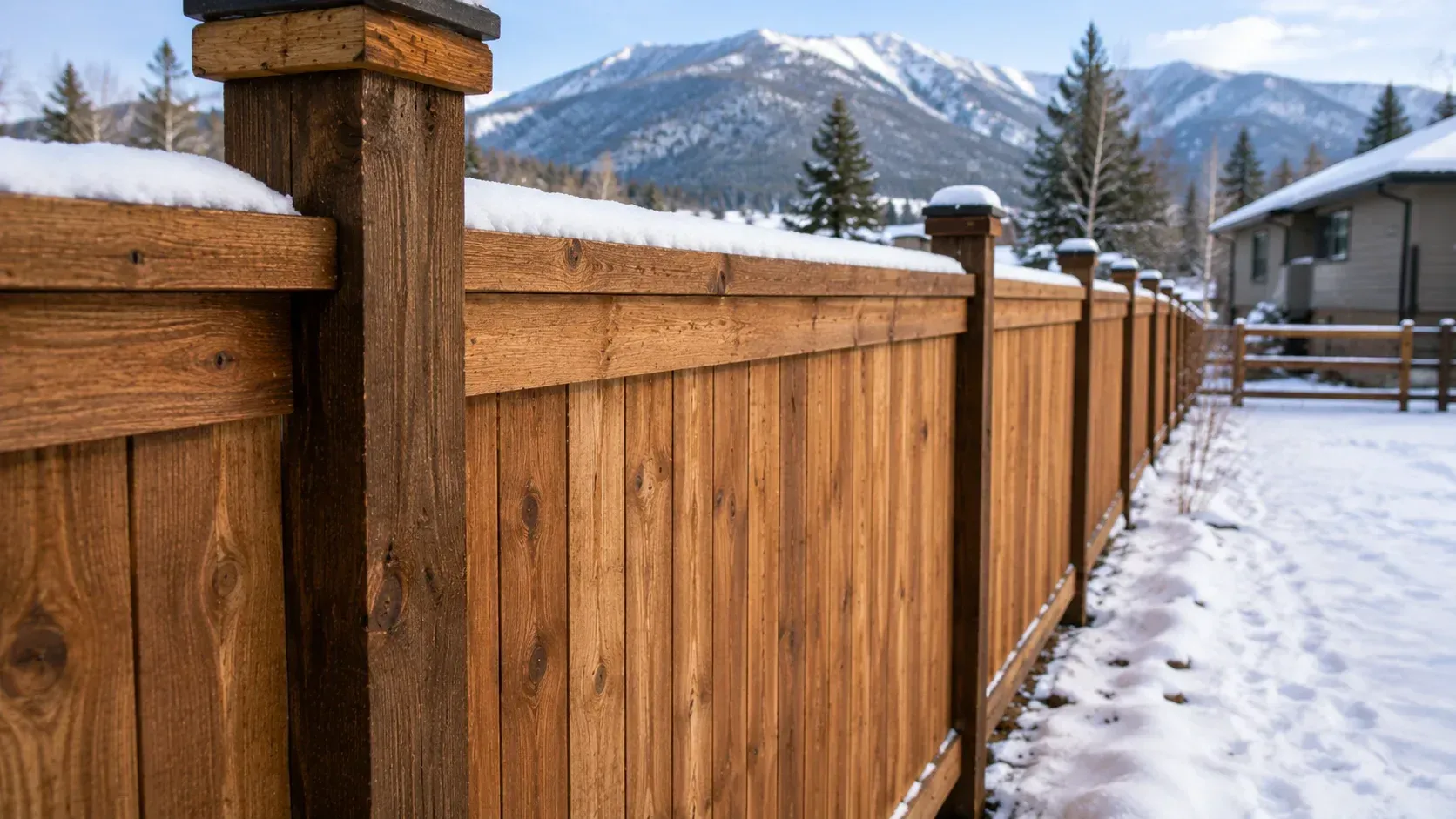
Table of Contents
- What Fence Materials Perform Best in Montana Winters?
- How Vinyl Fencing Holds Up to Cold Weather
- How Cedar and Wood Fencing Respond to Snow and Moisture
- How Composite Fencing Performs in Freezing Conditions
- How Metal Fencing Handles Montana Winters
- Why Post Depth and Footing Matter More Than Material Alone
- Maintenance Considerations by Material Type
- Conclusion
- Frequently Asked Questions
Key Takeaways
- Vinyl, cedar, composite, and metal fencing each respond differently to snow load, freezing temperatures, and moisture.
- No fencing material is completely maintenance free in a Montana climate, though some require less upkeep than others.
- Freeze and thaw cycles can shift soil and affect post stability if footings are not set properly.
- Snow load and drifting patterns on a property should factor into fence height and panel spacing decisions.
- Local installation practices, such as frost depth for posts, matter as much as the material itself.
Introduction
Vinyl, cedar, composite, and metal are the four fencing materials most commonly used in Stevensville that are built to withstand Montana winters, and each one handles snow, freezing temperatures, and moisture differently. There is no single best fence for winters that works for every property, since performance depends on the material, how the fence is installed, and the specific conditions of a given site.
This matters to homeowners and business owners in the Bitterroot Valley because winter weather here is not mild. Heavy snow loads, repeated freeze and thaw cycles, and moisture from melting snow all place stress on fencing materials and installation methods. Understanding how each option responds to these conditions helps property owners make a more informed decision before committing to a fence installation project.
What Fence Materials Perform Best in Montana Winters?
Four materials come up most often when Stevensville property owners ask about cold weather durability. Each has different strengths and different points where it can struggle in winter conditions.
The right choice usually depends on budget, maintenance preference, and how much snow and wind a specific property typically deals with.
How Vinyl Fencing Holds Up to Cold Weather
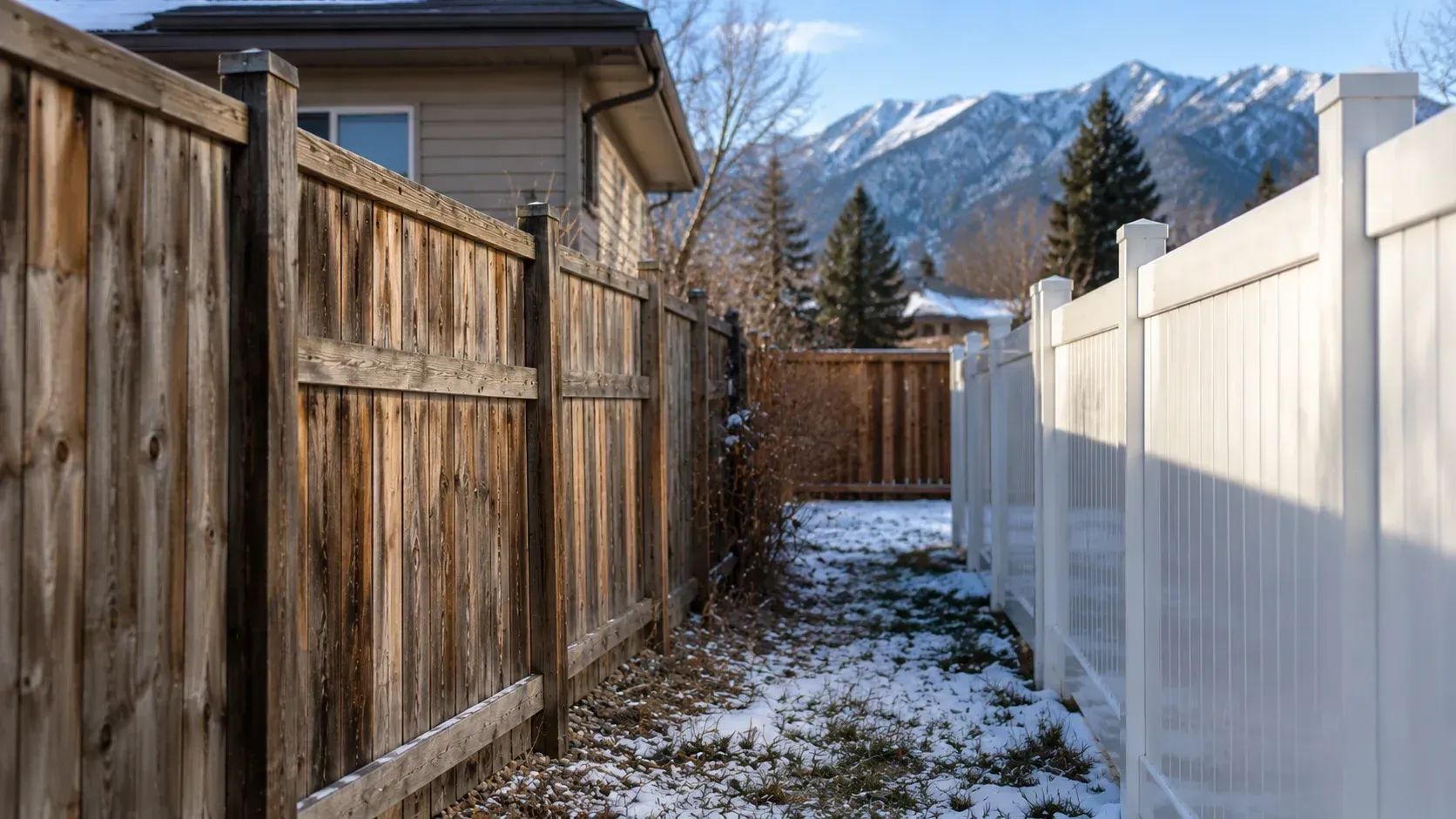
Vinyl fencing is popular in colder climates because it does not absorb moisture the way wood does, which reduces the risk of rot or swelling. It also does not require staining or sealing.
That said, vinyl can become more brittle in extreme cold, which means it may crack if struck by heavy snow, ice, or a falling branch during winter months. Proper installation with adequate post support helps reduce this risk, but it does not eliminate it entirely.
How Cedar and Wood Fencing Respond to Snow and Moisture
Cedar is a common choice because it naturally resists rot and insects better than many other wood species. It has a long history of use in Montana for both fencing and outdoor structures.
However, wood fencing of any kind is exposed to repeated moisture from snow and melting ice throughout winter. Without consistent sealing or staining, wood can warp, discolor, or weaken over time.
Homeowners considering wood should factor ongoing maintenance into their long-term plans rather than treating it as a one-time installation.
How Composite Fencing Performs in Freezing Conditions
Composite fencing, made from a blend of wood fibers and recycled plastic, is designed to resist moisture absorption better than solid wood. This can make it more resistant to the freeze and thaw cycles common in western Montana.
Composite materials generally do not need staining or sealing, which reduces some maintenance demands. The tradeoff is a higher upfront material cost compared to standard wood fencing, and performance can still vary between manufacturers and product lines.
How Metal Fencing Handles Montana Winters
Metal fencing, including aluminum and steel options, holds up well structurally against wind and snow load because of its strength and rigidity. It does not warp or rot the way wood can.
Depending on the coating and metal type, some products are more prone to rust if the protective finish is scratched or worn down over time. Homeowners near roads that use de-icing salt should also be aware that salt exposure can accelerate corrosion on certain metal fencing products.
Why Post Depth and Footing Matter More Than Material Alone
Regardless of material, how a fence is installed plays a major role in how well it performs during winter. In Montana, frost depth can extend well below the surface, and posts that are not set deep enough can shift or heave as the ground freezes and thaws.
This is one of the most overlooked factors in fence installation. A high-quality material installed with inadequate footing can still fail earlier than expected, while a more basic material installed correctly may perform more consistently over time.
Property owners planning a project should ask directly how post depth and footing methods are determined for their specific site. Learning more aboutfence building services in the area can help clarify what installation standards are typically used locally.
Maintenance Considerations by Material Type
Every fencing material requires some level of attention over time, even if the frequency differs.
- Vinyl: Occasional cleaning, inspection for cracks after storms.
- Cedar and wood: Regular sealing or staining, inspection for rot or insect damage.
- Composite: Periodic cleaning, less frequent sealing than natural wood.
- Metal: Inspection for rust or coating damage, especially near roads treated with de-icing salt.
Homeowners in Stevensville and nearby communities within the broaderservice area should factor these maintenance differences into their decision, not just the upfront installation cost.
Conclusion
There is no fencing material that performs perfectly in every winter condition without some form of maintenance or risk. Vinyl resists moisture but can become brittle in extreme cold. Cedar offers natural durability but requires ongoing sealing. Composite reduces some maintenance demands at a higher cost. Metal holds up structurally but can be vulnerable to corrosion depending on coating and salt exposure.
Post depth and installation quality often matter as much as the material itself when it comes to how a fence performs through repeated freeze and thaw cycles. Property owners in Stevensville should weigh these factors together rather than focusing on material alone.
Book a Strategy or Discovery Call
If you are trying to decide which fencing material makes sense for your property before winter sets in, a short conversation can help clarify your options. This is not a sales pitch or a promise of a specific outcome, just a chance to ask questions and get clear information based on your site and goals.
Property owners who want to talk through fencing options can
contact our team to schedule a time to discuss their project without pressure or obligation.
Frequently Asked Questions
What is generally considered the most durable fence material for cold climates?
No single material is universally the most durable, since each responds differently to cold, moisture, and snow load. Vinyl resists moisture, cedar offers natural rot resistance, composite reduces maintenance, and metal provides structural strength, each with different tradeoffs.
Can vinyl fencing crack in extremely cold temperatures?
Yes, vinyl can become more brittle in extreme cold and may crack under impact from heavy snow, ice, or debris. Proper installation and post support can help reduce this risk.
Does wood fencing need more maintenance in Montana winters?
Wood fencing, including cedar, typically requires regular sealing or staining to protect against moisture from snow and melting ice. Without consistent maintenance, wood can warp or weaken over time.
Is composite fencing worth the higher cost in a cold climate?
Composite fencing generally resists moisture better than solid wood and needs less frequent sealing, but it costs more upfront. Whether it is worth the investment depends on a property owner's budget and maintenance preferences.
Can metal fencing rust in Montana winters?
Depending on the coating and metal type, rust can develop if the protective finish is scratched or worn, especially in areas exposed to de-icing salt. Regular inspection can help catch early signs of corrosion.
Why does post depth matter for fence durability in cold climates?
Frost depth in Montana can extend below the surface, and posts that are not set deep enough may shift as the ground freezes and thaws. Proper footing depth is important regardless of which material is chosen.
How often should a fence be inspected during winter?
Checking a fence after major snowstorms or ice events can help identify early damage such as cracks, leaning posts, or loose panels. Addressing small issues early may help prevent larger repairs later.